
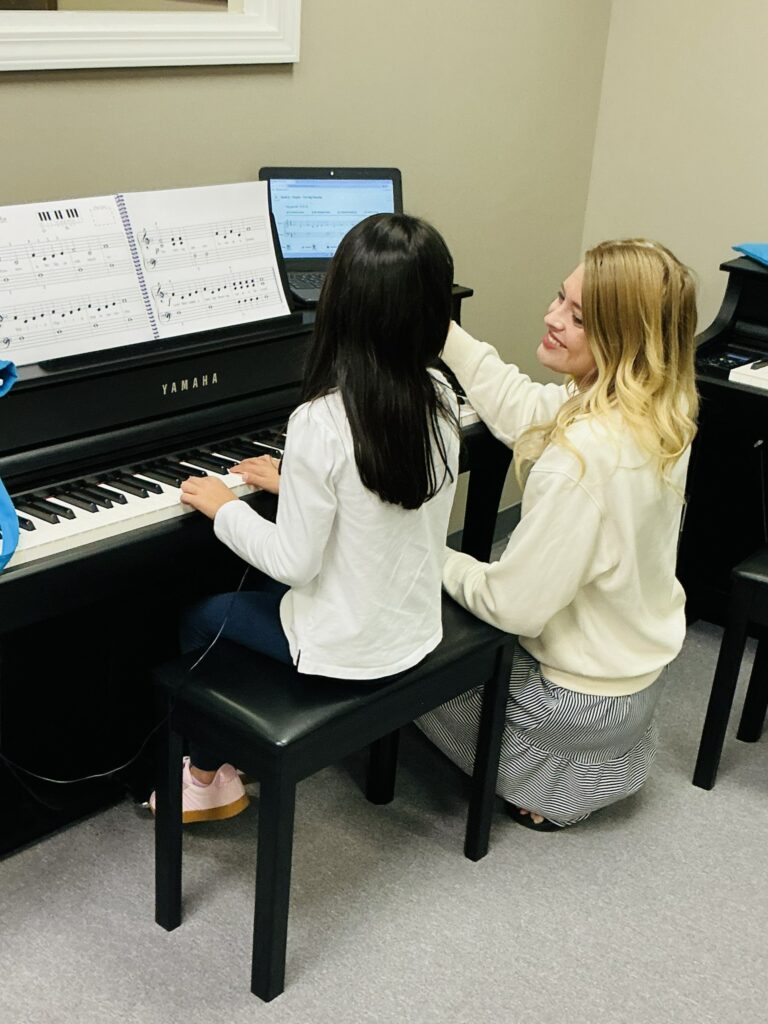
For many parents, first and second grade is when a new question begins to surface:
Is this the right time to start music lessons?
At PCS in Greenville, we often find that ages 6–9 are an ideal time for children to begin their musical journey, especially in a group setting like our Piano Express and Studio Singers classes.
At this age, children are developing the focus, coordination, and creativity that help them thrive in music learning.
Here are five big advantages of starting music lessons in first or second grade.
1. Kids Are Naturally Curious and Eager to Learn
Young elementary students are in a wonderful stage of learning.
They ask questions, enjoy discovering new skills, and often take a lot of pride in mastering something new. They’re learning to read and gaining other skills in school that transfer beautifully.
Music lessons tap directly into that eager curiosity. Learning to play simple songs, recognize patterns, and explore sound feels exciting rather than intimidating.
Starting during this stage helps children associate music learning with joy and discovery, not pressure.
2. Group Learning Makes Music Lessons Social and Fun
One of the biggest advantages of group music lessons is the social element.
Children learn alongside peers who are experiencing the same challenges and successes. They laugh together, celebrate progress together, and encourage one another.
For many children, this shared experience makes music lessons even more motivating. It also helps build friendships and a sense of belonging.
Music becomes something they enjoy doing with others, not just by themselves.
3. It Builds Focus and Learning Skills
Music lessons naturally strengthen skills that benefit children in school as well.
Students practice:
• listening carefully
• following instructions
• recognizing patterns
• working step-by-step toward goals
In group piano and voice lessons, these skills develop gradually and naturally through engaging activities.
Over time, parents often notice improvements in attention, persistence, and confidence.
4. Early Success Builds Long-Term Motivation
When children start music lessons early, they experience progress quickly.
Learning a first song, recognizing notes, or singing confidently in class creates a powerful sense of accomplishment.
These early successes encourage children to keep going. They begin to see themselves as “someone who can play music.”
That identity can stay with them for many years to come.
5. It Opens Doors for Future Opportunities
Beginning music lessons in first or second grade gives children time to grow.
As their skills develop, they may eventually explore other interests like:
• school music programs
• performances and recitals
• learning additional instruments
• composing or improvising
Starting early simply gives children more time to develop their abilities and enjoy the journey before the pressures that academics, sports, and peers can often bring in the middle and high school years.
Start Now So Progress Can Grow
Parents sometimes worry about starting too soon. But in reality, early elementary years often provide the perfect balance of readiness, curiosity, and enthusiasm.
At PCS, our group piano lessons and group voice lessons for ages 6–9 are designed to help each student learn in a supportive, engaging environment where they feel valued and encouraged.
The goal isn’t perfection. It’s all about seeing progress, confidence, joy, and a growing love of music.
And when children start music lessons when they’re young, that progress has plenty of time to grow in their hearts and minds.